
As Massachusetts lawmakers push to ban cellphones in schools through high school, a growing number of parents are turning to smartwatches as a safer, less distracting alternative for their children. This trend, highlighted by personal stories and market data, reflects a broader shift toward technology that balances connectivity with focus, especially amid concerns over screen time and school distractions.
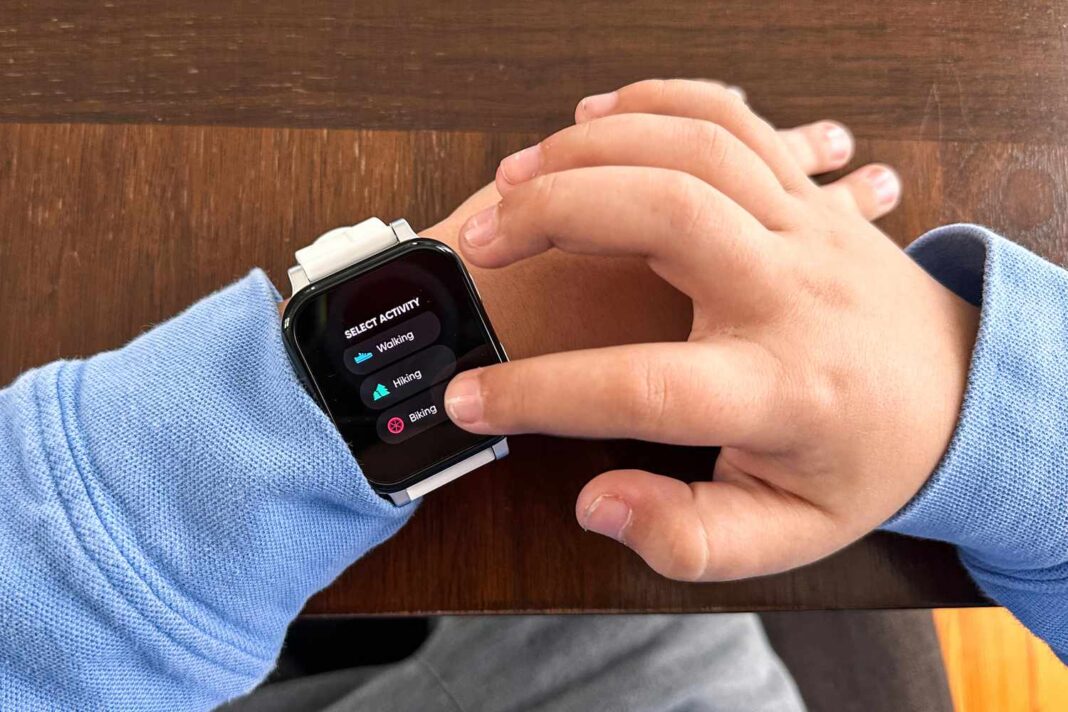
In a recent anecdote shared by Boston Globe reporter Billy Baker, his 12-year-old son lamented being one of the few without a phone on the school bus, while his older brother complained about the noise from gadget-free chatter. For Baker’s younger child, the solution was an Apple Watch SE—a cellular model that provides calls, texts, GPS tracking, and limited apps on a tiny screen, all for just $10 a month. “It checks every box you’d want for a first device, without the ones you wouldn’t,” Baker noted. Similar choices by his son’s friends, uncoordinated among parents, underscore the appeal of watches like Cosmo, Gabb, and Gizmo.
The Massachusetts Senate’s recent vote to prohibit student cellphone use during school hours aligns with 14 other states implementing similar bans. Polls indicate 75% of Americans support such measures, with early adopters reporting improved student engagement and teacher satisfaction. While laptops remain in classrooms, the goal is to curb the average five hours of daily phone use—equivalent to 114 waking days annually—among Americans.
The smartwatch market, valued at $7.3 billion globally in 2025, is projected to grow 15% annually over the next decade. These devices offer parental controls, emergency features, and minimal distractions, making them ideal for young users. “No one can stare at their wrist for hours,” Baker quipped, emphasizing their practicality over full smartphones.
Beyond the main story, other developments in Boston include a lawsuit by the Globe against Sharon public schools for withholding records related to a student’s brain injury during a football game, and expansions in multilingual education programs to accommodate the city’s immigrant population. Nationally, tensions rise with President Trump’s oversight of D.C. police and Texas Democrats ending their protest over redistricting.
Viewpoints highlight the isolating effects of social media, while points of interest cover cannabis mismanagement audits, Market Basket legal battles, and Red Sox fan creations. For families navigating tech choices, smartwatches emerge as a compelling middle ground, fostering communication without the pitfalls of unrestricted screens.
© 2025 The Boston Proper. All rights reserved. Reproduction or distribution of this material without prior written permission is prohibited.


